Table of contents
- Get the cost for pressure washing services near you
- Pressure washing cost estimates supplemented with real Taskrabbit data
- What impacts the cost of pressure washing?
- Unexpected and additional pressure washing costs to watch for
- Common pressure washing projects and their typical costs
- Frequently asked questions about pressure washing services
Get the cost for pressure washing services near you
Browse different pressure washing rates in your area and select the one that fits your budget and needs.
Clean your home exteriorPressure washing cost estimates supplemented with real Taskrabbit data
Pressure washing is one of the most effective ways to restore the look of your home's exterior, driveway, deck, or fence without a costly renovation. Across Canada, from the rain-soaked streets of Vancouver to the salt-weathered driveways of Halifax, regular exterior cleaning helps protect surfaces and maintain your property's value. This guide breaks down realistic pressure washing costs, explains what drives pricing, and helps you make a confident, informed decision before hiring a pro.
Based on market research and Taskrabbit platform insights, you can generally expect to pay $45 per hour for pressure washing services.
Average cost for pressure washing services in major Canadian cities
Pricing for pressure washing varies across Canada. Urban centres with higher costs of living and stronger demand for home services generally command higher rates. Here is a general overview of what you can expect to pay across major Canadian cities.
| City | Avg hourly rate | Avg invoice total |
|---|---|---|
| Toronto | $42 | $129 |
| Vancouver | $36 | $129 |
| Calgary | $29 | $152 |
| Winnipeg | $32 | $89 |
| Ottawa / Gatineau | $46 | $242 |
What impacts the cost of pressure washing?
Understanding what drives pricing helps you anticipate where your project might land on the cost spectrum and avoid surprises when quotes come in.
Property size and square footage
Larger properties take more time, use more water, and require more cleaning solution. Many pressure washers price jobs based on square footage, typically charging between $0.10 and $0.60 per square foot, depending on the surface type and condition. A small townhouse or semi-detached home will cost considerably less than a large two-storey detached property.
Common square footage pricing benchmarks:
Under 1,000 sq. ft.: $200 - $600
1,000 - 2,000 sq. ft.: $350 - $1,200
2,000 - 3,000+ sq. ft.: $600 - $2,000+
Building height and storeys
Single-storey homes are the most straightforward and affordable to pressure wash. As height increases, so does the complexity of the job. Professionals may need extension wands, scaffolding, or specialised safety equipment to reach upper levels safely.
Single-storey homes: Generally the most affordable, with lower setup requirements.
Two-storey homes: Require additional reach and time, adding meaningfully to the total cost.
Three-storey homes or those with dormers and peaks: May require a scissor lift or boom lift, which can significantly increase the overall price. Not all pressure washing companies will take on three-storey jobs.
Surface type and material
Different exterior materials require different levels of care, pressure settings, and cleaning solutions. Professionals adjust their approach based on the material, which affects both the time required and the risk of damage. Here's how the type of material can impact a pressure washing:
Vinyl siding: Moderate pressure, generally straightforward to clean.
Brick: Durable but porous; grime can settle deep into mortar joints.
Stucco: Common in many Canadian homes, particularly in Alberta; requires a gentler approach due to its porous surface.
Wood decks and fences: Must be washed carefully to avoid splintering or raising the wood grain.
Composite decking: Sensitive to high pressure; often requires a low-pressure or soft-wash method.
Concrete driveways and walkways: Can handle higher pressure, but oil stains and tire marks may need pre-treatment.
Asphalt shingles: Almost always require soft washing to avoid damaging the shingle granules.
Condition of surfaces and level of buildup
A surface that hasn't been cleaned in several years will take considerably more effort than one that receives annual maintenance. Algae, mould, mildew, rust stains, oil, and deeply embedded grime all require additional time, specialised cleaning agents, or multiple passes. In wetter regions of Canada such as British Columbia and Atlantic Canada, mould and algae growth can be particularly stubborn.
Urban density and property access
In dense urban neighbourhoods, particularly in cities like Toronto, Montreal, or Vancouver, tight lot lines, fencing, parked cars, and limited outdoor space can make setup more challenging. Narrow laneways, shared driveways, or restricted access to the rear of a property can add time to the job. Some professionals charge an additional fee when access is significantly restricted.
Climate and seasonal demand
Canada's climate creates distinct pressure washing seasons. Spring and summer are peak periods, particularly after a long winter when driveways, siding, and decks accumulate salt residue, dirt, and algae. Demand is highest from May through September, which can push prices up slightly during busy periods. Booking in early spring, late summer or early autumn, when demand softens, may result in better availability and more competitive pricing.
Water source and usage
Most professionals connect to an outdoor hose bib at your property. If outdoor water access is limited or unavailable, the professional may need to bring a water tank, which adds to the cost. Water usage for a typical residential job will show up on your utility bill, though the impact is generally modest.
Cleaning solutions and eco-friendly products
Standard cleaning detergents are usually included in the quoted price, but specialty or eco-friendly solutions may carry an additional charge. In municipalities with strict stormwater runoff regulations, biodegradable or low-impact cleaning agents may be required, which can add a small premium to the overall cost.
Unexpected and additional pressure washing costs to watch for
Even a well-prepared quote can leave room for extras that only become apparent once the professional is on site. You may find that you have to make fixes or updates before a pressure washing can take place. Being aware of these in advance helps you budget more accurately.
Pre-treatment for stubborn stains: Rust, oil, or deep-set mould may require specialty cleaning agents or extended dwell time that is not included in a standard quote.
Minor repairs before washing: Cracked concrete, loose siding, rotting wood trim, or damaged caulking may need to be addressed before pressure washing can proceed safely. A professional may flag these issues and recommend repairs first.
Overspray protection: Homes with large windows, decorative trim, or delicate plantings close to the house may require additional prep time to protect surrounding areas.
Furniture and obstacle removal: If patio furniture, planters, or outdoor equipment need to be moved before work begins, some providers may charge for the extra labour.
Stormwater or wastewater compliance: Certain municipalities in Canada have bylaws governing wastewater runoff from pressure washing. In some cases, professionals may need to use containment systems or capture runoff, which adds to the cost. This is more common in environmentally sensitive areas or when washing surfaces treated with chemicals.
Permit requirements for commercial or strata properties: If you live in a condo or strata building, you may need approval from your strata council or property management before exterior washing can begin. This is not a direct cost, but it can affect scheduling and add administrative steps.
Common pressure washing projects and their typical costs
The table below offers a general sense of what you can expect to pay for specific pressure washing jobs. Actual costs will vary based on the factors discussed above.
| Pressure washing location | Estimated cost |
|---|---|
| Deck | $150–$350 |
| Fence | $100–$250 |
| Gutters | $75–$200 |
| Driveway | $150–$350 |
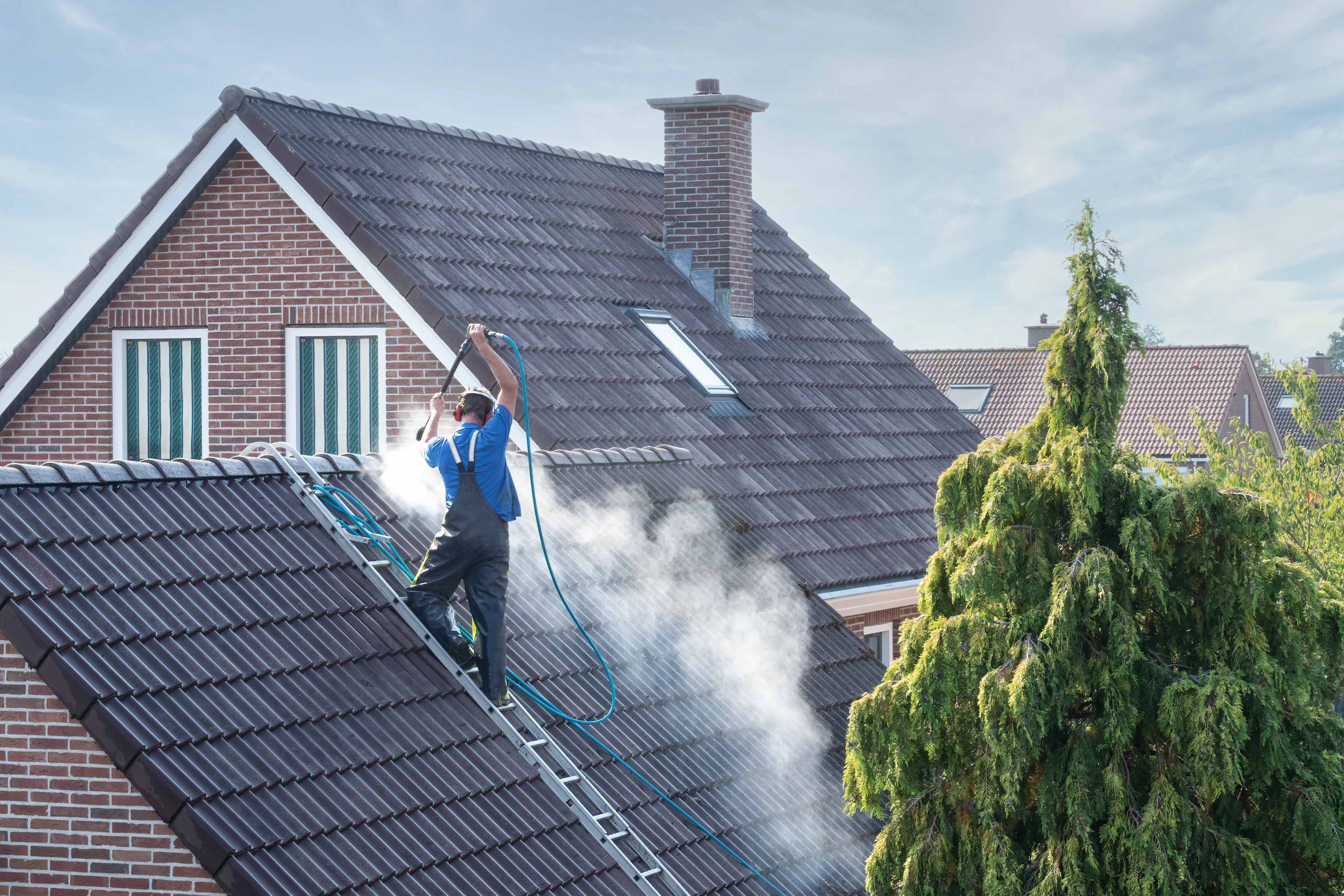
| Roof washing | $400–$900 |
| Full property | $600–$2,000 |
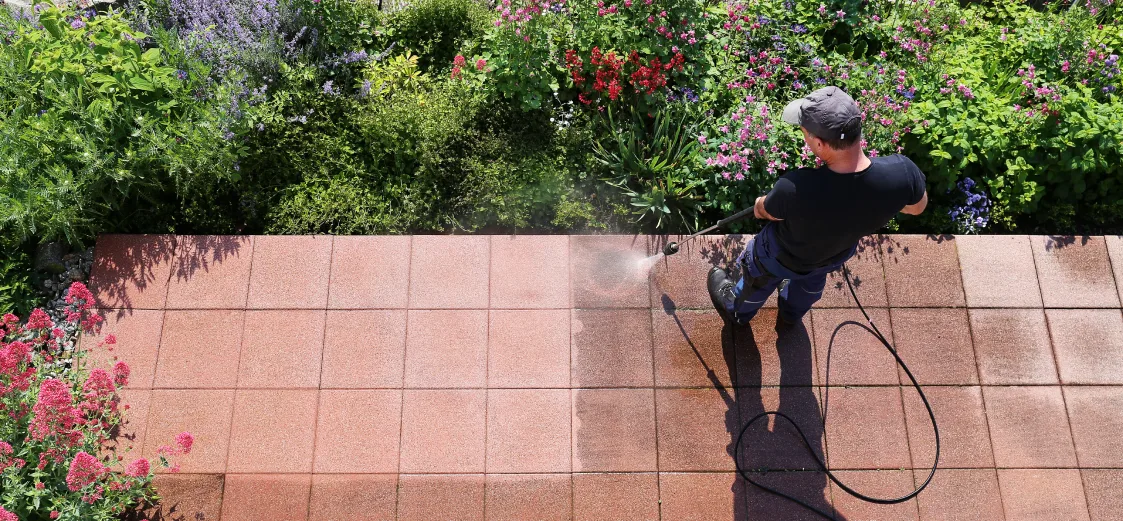
| Patios and walkways | $75–$200 |
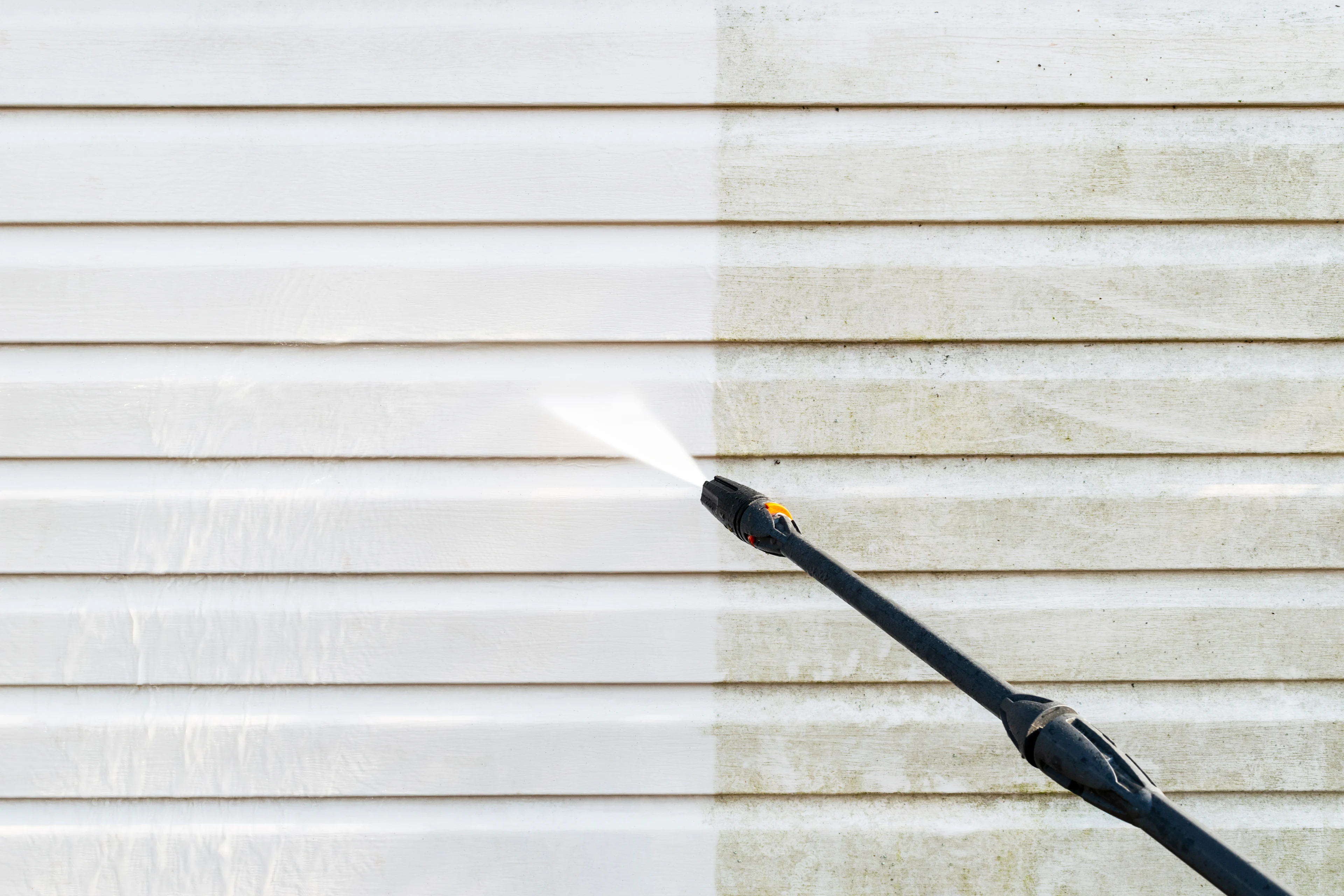
| House exterior (siding) | $300–$900 |
DIY vs. hiring help for pressure washing
One of the most common questions when it comes to pressure washing is whether to tackle the job yourself (whether you own a pressure washer or want to rent one), or hire a professional. The answer depends on the scope of the project, the surfaces involved, and your comfort level with the equipment. Both approaches have their place, but understanding when each makes sense will help you avoid costly mistakes and get the results you want.
When to DIY
DIY pressure washing can be a reasonable option in specific circumstances. Consider doing it yourself if:
You need light cleaning on a small, easily accessible surface such as a patio or garden path.
You already own or have convenient access to a pressure washer in good working condition.
The surfaces involved are durable and low-risk, such as concrete or paving stones.
You are comfortable with the equipment and understand the correct pressure settings for different materials.
The job is a single storey and does not require working at height.
You are renting the property and the task is minor enough not to require landlord involvement.
Pressure washers can be rented from most major hardware retailers in Canada, typically for $60 to $120 per day, making DIY a viable option for smaller, straightforward jobs.
When to hire help
Hiring a qualified pressure washing professional is the smarter choice in the following situations:
You are cleaning a two-storey or three-storey home where working at height poses a safety risk.
The surfaces involved are delicate or high-value, such as older wood siding, stucco, composite decking, or asphalt shingles.
There are significant stains, mould, algae, or oil that require specialised treatment.
You live in a strata or condo building where exterior work must be performed by insured professionals.
You want the job done efficiently and correctly without risking damage to surfaces or voiding warranties on composite materials.
The job involves a full exterior house wash where consistent technique and appropriate PSI settings matter significantly.
How to choose the right pressure washer
Finding the right person for the job takes a little research, but it is worth the effort. Here is what to look for:
Proof of insurance: Any professional working on your property should carry general liability insurance. This protects you if surfaces are accidentally damaged or if there is an incident on your property. Do not hesitate to ask for proof before work begins.
Experience with your specific surfaces: Ask whether the provider regularly works with the materials on your home, particularly if you have stucco, older wood siding, or composite decking.
Transparent, itemised quotes: A reliable professional will provide a written quote that clearly outlines what is included, the method to be used, and any potential extras.
References or verified reviews: Check platforms such as HomeStars, Google Reviews, or community recommendations. Positive feedback from local homeowners carries real weight.
Appropriate equipment: Look for a provider who uses equipment suited to the job, including soft-wash systems for delicate surfaces and higher-PSI machines for durable ones.
Awareness of local bylaws: A professional operating in Canada should be familiar with any municipal requirements around wastewater runoff or chemical use that apply in your area.
How to save on pressure washing services
Pressure washing doesn’t have to break the bank. With a bit of planning and flexibility, you can reduce costs while still getting professional results.
Bundle multiple surfaces in one visit: Scheduling your driveway, deck, patio, and house siding together is one of the most effective ways to reduce per-surface costs.
Ask about package pricing: Some providers offer bundled packages for seasonal home maintenance that include pressure washing alongside other services such as gutter cleaning or window washing.
Book during the off-season: Late summer and early autumn tend to be less busy than the spring rush. Booking during these quieter periods can improve your chances of securing a better rate.
Clear the area before the professional arrives: Moving patio furniture, planters, and vehicles before the crew arrives reduces billable labour time and can meaningfully reduce the final invoice.
Maintain surfaces regularly: Annual or biannual cleaning prevents heavy buildup that requires more time and stronger chemicals. Regular maintenance is almost always cheaper than intensive deep cleaning.
Get multiple quotes: Pricing can vary considerably between providers, even within the same city. Requesting at least two or three quotes gives you a realistic sense of the local market rate.
Frequently asked questions about pressure washing services
A single surface such as a driveway or deck usually takes one to two hours. A full exterior house wash can take three to five hours or more, depending on the size of the property and the level of buildup. Jobs with multiple surfaces or add-ons may span a full day.
No. High-pressure washing can damage softer materials such as older wood siding, stucco, painted surfaces, and asphalt shingles. For these materials, a soft-wash approach using low pressure and appropriate cleaning solutions is recommended. Always confirm the method with your provider before work begins.
Most homes benefit from an exterior washing exterior once a year, typically in spring after winter ends. In wetter climates such as coastal British Columbia, where mould and algae grow more readily, twice-yearly cleaning may be worthwhile. Driveways and patios can often go two to three years between cleanings if maintained reasonably well.
If you live in a strata or condo building, you will likely need approval from your strata council or property management company before undertaking any exterior work. Many strata buildings require that exterior cleaning be carried out by insured professionals. Check your strata bylaws or condo agreement before booking.

